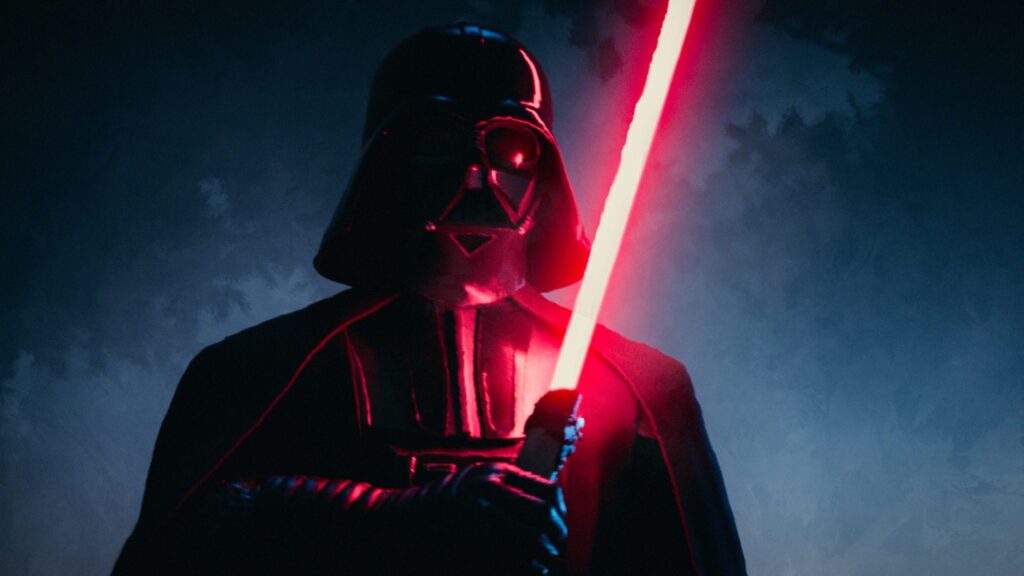
If you’ve been following Star Wars storytelling over the years, you know that the franchise has produced some truly memorable antagonists. But according to recent analysis, Disney’s two-part Clone Wars follow-up deserves a spot at the top of that list—not just for its action or spectacle, but for delivering a genuinely compelling character study of its villain. This is the kind of narrative depth that reminds us why Star Wars resonates so strongly with fans who crave more than surface-level conflict.
What makes this sequel stand out is how it doesn’t treat its antagonist as a one-dimensional threat. Instead, the story takes us on a transformative journey that explores the character’s motivations, psychology, and tragic arc. For gamers familiar with The Clone Wars universe through various Star Wars titles, this represents the kind of storytelling that creates investment in characters beyond just combat encounters. It’s the difference between fighting an enemy and understanding why they became your enemy in the first place.
The significance here extends beyond the show itself. When Star Wars media—whether animated series, games, or films—prioritizes villain development this way, it elevates the entire franchise’s narrative quality. For fans hoping to see similar depth in upcoming Star Wars games, this is a strong signal that the franchise is committed to complex character arcs rather than straightforward good-versus-evil battles. If you haven’t caught this sequel yet, it’s worth your time, especially if you’re someone who appreciates antagonists with genuine depth and nuance.
This post was inspired by reporting from ScreenRant – Star Wars. Read the original article for full details.
Disney's two-part Star Wars: The Clone Wars sequel is one of the franchise's best character studies, a powerful journey for an incredible villain.
— ScreenRant – Star Wars