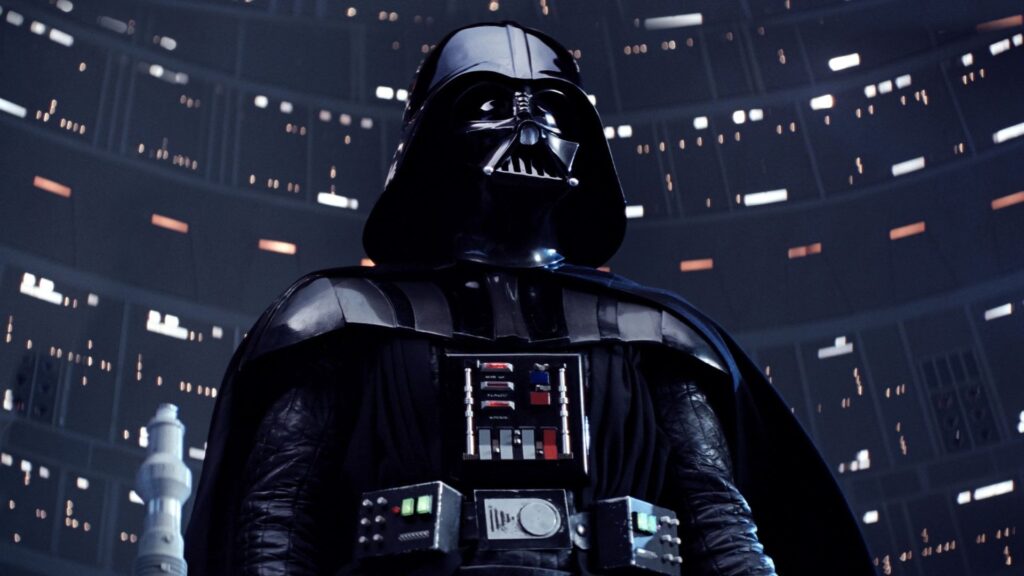
Before the internet made spoiler prevention nearly impossible, Star Wars fans came dangerously close to learning one of cinema’s most shocking moments years in advance. A major plot revelation from The Empire Strikes Back almost surfaced publicly well before the film hit theaters in 1980, which raises fascinating questions about how differently the fanbase might have experienced that iconic moment.
What’s striking about this near-miss is how it highlights just how much the relationship between media, studios, and fan communities has transformed over the decades. Back then, keeping secrets meant relying on trust, limited access to production information, and the simple fact that information traveled slower. Today’s fans operate in an entirely different landscape—leaks spread instantly, detailed set photos circulate online, and spoilers can reach millions before official channels even announce a release date. For Star Wars games and expanded universe content, this reality shapes everything from how developers tease features to how communities manage discussions online.
For gaming fans specifically, this historical perspective is worth considering. Modern Star Wars games benefit from lessons learned across decades of fandom evolution. Whether it’s Battlefront’s seasonal reveals, Old Republic expansions, or upcoming projects, developers have gotten savvier about controlling narrative information while keeping hype alive. The close call with Empire’s twist reminds us that some moments are meant to hit hard on impact—and that’s something both storytellers and fans should work together to protect.
This post was inspired by reporting from ScreenRant – Star Wars. Read the original article for full details.
One of cinematic history's biggest twists was spoiled two years before Empire Strikes Back came out, which proves how fandom and media have evolved.
— ScreenRant – Star Wars