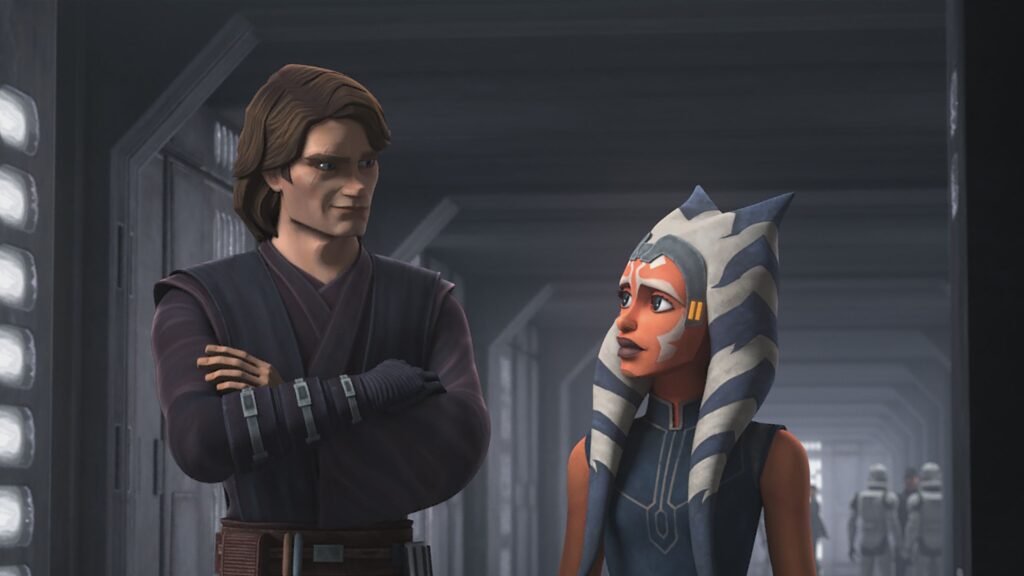
For years, The Clone Wars held the crown as Star Wars’ most acclaimed television experience, delivering an animated saga that deepened the prequel era and gave fans countless memorable moments. However, a new contender has emerged with serious credentials: Andor has climbed to the top with a remarkable 96% on Rotten Tomatoes, pushing the beloved animated series into second place. This shift represents a significant moment in how Star Wars storytelling is being received by both critics and audiences.
What makes Andor’s achievement particularly noteworthy is the fundamental difference in approach. While The Clone Wars excelled at grand action sequences and interconnected mythology, Andor takes a grittier, more grounded approach to the galaxy far, far away. The show’s success suggests that Star Wars fans and critics alike are hungry for mature, character-driven narratives that prioritize political intrigue and personal drama over spectacle alone. This kind of acclaim validates a different creative direction for the franchise—one that treats its audience as adults capable of engaging with complex storytelling.
For gamers who’ve followed both animated series, this development hints at where interactive Star Wars experiences might head next. If television audiences are embracing darker, more introspective tales, could future games follow suit? The Andor phenomenon shows that the franchise isn’t limited to epic space battles and Jedi duels—there’s real appetite for stories that explore the cost of rebellion, moral ambiguity, and the everyday people caught in galactic conflicts. It’s a compelling reminder that Star Wars’ greatest strength lies in its storytelling versatility.
This post was inspired by reporting from ScreenRant – Star Wars. Read the original article for full details.
Star Wars: The Clone Wars has been dethroned as Star Wars' greatest TV show thanks to the incredible and intricate storytelling found in Andor.
— ScreenRant – Star Wars