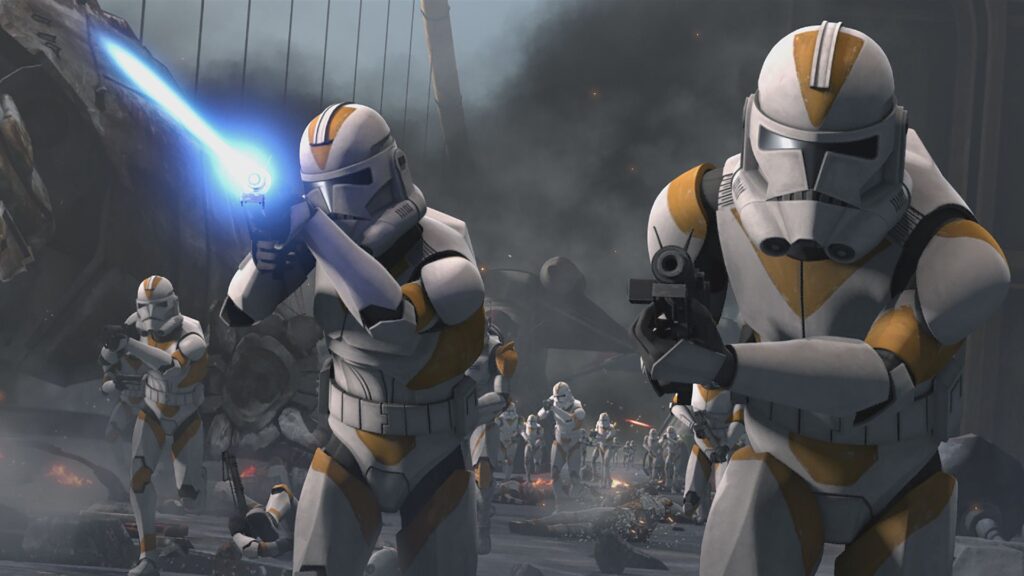
When The Bad Batch arrived as the spiritual successor to The Clone Wars, it made a gutsy creative decision: step back from the Jedi-centric narrative that defined its predecessor. Instead of following Force-wielders and their struggles during the Clone Wars’ aftermath, the show pivoted to tell the stories of clone troopers and mercenaries operating in the galaxy’s shadows. For Star Wars gaming fans, this direction matters because it expands what we consider “core” Star Wars storytelling—and it worked.
The Jedi have always been the franchise’s main attraction, but The Bad Batch proved there’s genuine hunger for perspectives beyond lightsaber duels and Force philosophy. By centering clones dealing with identity, loyalty, and survival in a post-war galaxy, the show tapped into themes that feel uniquely compelling. It gave us characters with their own agency, unbound by the mysticism that sometimes limits Jedi narratives. For players who’ve spent countless hours in games exploring different corners of the Star Wars universe, this approach resonates—it reminds us that epic storytelling doesn’t require Jedi robes.
The success of The Bad Batch suggests gaming audiences are equally ready for protagonists who aren’t Force-sensitive. Whether it’s tactical operatives, bounty hunters, or soldiers forging their own paths, there’s rich narrative ground to explore. This shift opens exciting possibilities for future games and stories that prioritize character-driven drama over Force lore. The Clone Wars legacy continues, just in a direction nobody expected—and that’s exactly why it deserves recognition.
This post was inspired by reporting from ScreenRant – Star Wars. Read the original article for full details.
The Clone Wars' sequel, Star Wars: The Bad Batch, took a risk by moving away from the Jedi and focusing on other characters, but it paid off.
— ScreenRant – Star Wars